Day trips from Thessaloniki in 2026: guided tours to Meteora, Dion, Vergina and Olympus with real prices, travel tips and honest advice on going solo vs booking a tour
Updated:
Tours from Thessaloniki: why it's a convenient and popular starting point for day trips around Greece
Greece is an incredible country that offers fascinating journeys into ancient culture, the chance to touch mythical legends, visit open-air museums, and enjoy a comfortable rest on the welcoming beaches of the Mediterranean. With all its charms, Greece attracts tourists from all over the world.
Thessaloniki is the country’s second-largest city. Thanks to its convenient location and well-developed infrastructure, the city allows tourists to reach the most interesting places in Greece — both for exploring ancient culture and for beach holidays.
Its position in the heart of Macedonia makes it easy for tourists to travel from Thessaloniki to such popular destinations as Mount Olympus (1.5 hours), the Chalkidiki Peninsula (2 hours), the Meteora Monasteries (3 hours), and Veria (1 hour).
Many travel agencies operate in the city and offer the opportunity to visit several different historical locations through combined tour packages.
The city itself also deserves attention, thanks to its ancient architecture, comfortable sandy beaches, and the large number of restaurants serving local delicacies. There are many hotels and accommodation options to suit any budget. That is why I consider Thessaloniki a convenient starting point for exploring Greece.
Day trips from Thessaloniki: the most interesting destinations
Thessaloniki is the most convenient city from which to begin day trips to Greece’s historical sites. And while every corner of this legend-filled country is worth a visit, we have selected the most interesting and popular destinations for which Thessaloniki makes an ideal starting point:
- Meteora — a breathtaking sight that is rightfully considered the “eighth wonder of the world” — a complex of ancient monasteries perched atop enormous rocks, as if bringing the faithful closer to God. Six of the original 24 temples are still active and well preserved. Today, visitors can reach the monasteries during an excursion via comfortable paved roads and convenient stairways, but in earlier times getting here was no easy task. Pilgrims had to travel either in a suspended basket or by ladder. The distance from Thessaloniki to Meteora is 230 km. Once you arrive, I recommend wandering through the peaceful courtyards, learning about monastic life, visiting the museums, and taking in the stunning panorama from a bird’s-eye view.
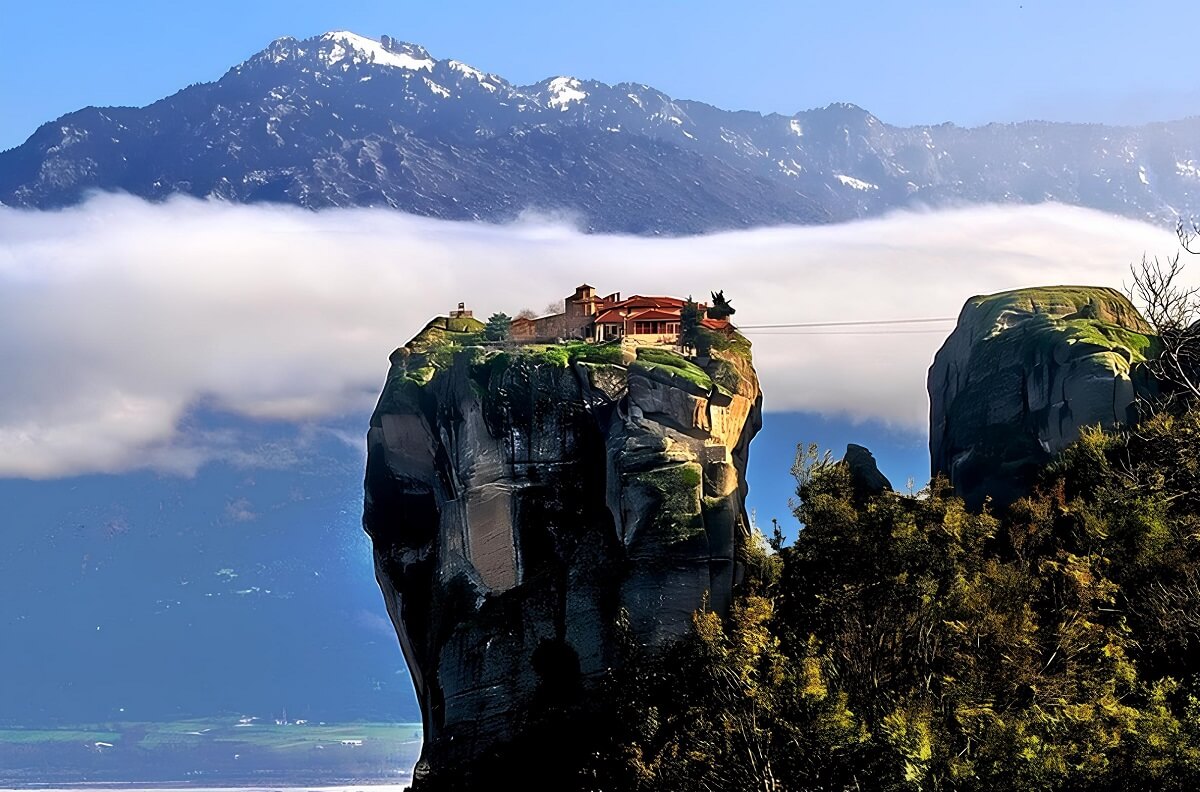
The cable car that allows visitors to reach the “floating” monasteries of Meteora without climbing the stone steps
- Mount Olympus — once the legendary home of the mythical gods, today a scenic national park with a rich and unique flora and diverse fauna. Olympus is in fact a complex of 40 peaks reaching 2,917 m.
Anyone who wishes can confidently conquer Olympus — either by following a safe hiking route independently or by using a chairlift. The starting point for reaching the summit is the small and picturesque village of Litochoro at the foot of the mountain.
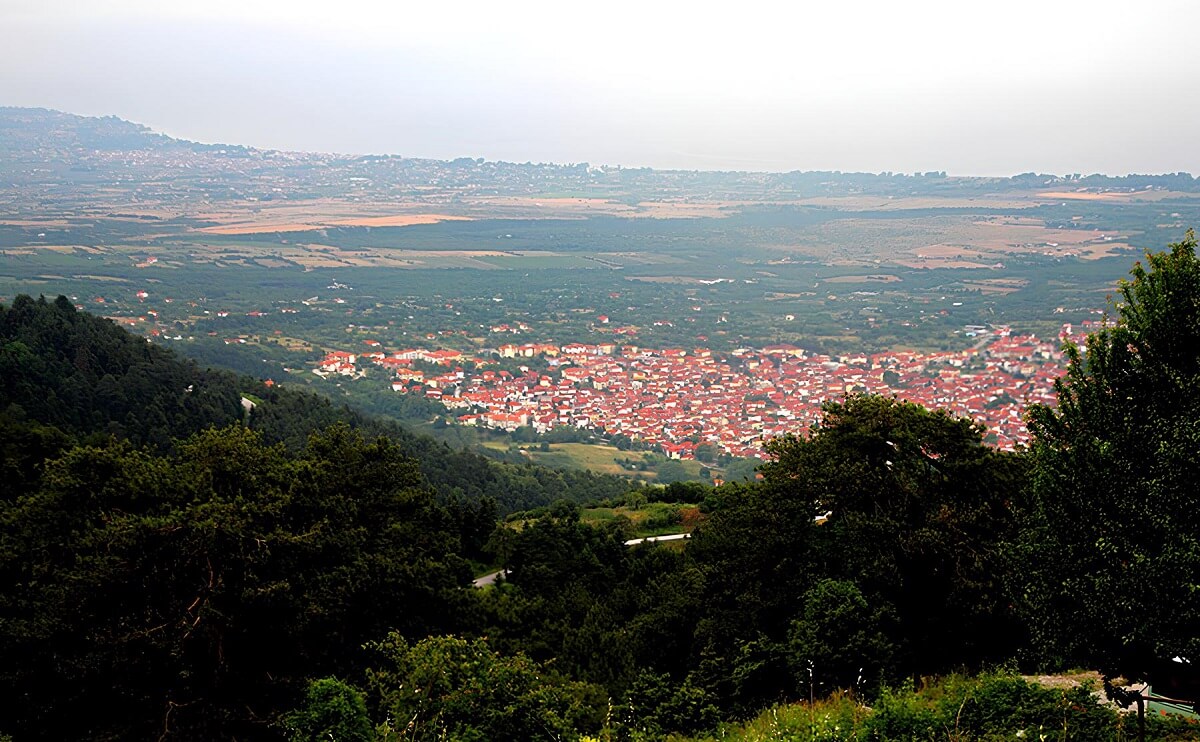
View of the town of Litochoro from the Olympus National Park
- The Chalkidiki Peninsula — famous for its luxurious beaches along the warm azure sea and the many resorts lining the coast. It is shaped like a trident, which, according to legend, was thrown into the sea by the furious mythical god Poseidon. The peninsula is blanketed in pine forests and olive trees and lapped by the crystal-clear waters of the Aegean Sea. Chalkidiki’s beaches hold the “Blue Flag” environmental certification, which highlights their cleanliness and compliance with international standards.
- Petralona Cave — located on the Chalkidiki Peninsula. Inside, Petralona is adorned with stalactites. The cave gained its fame after archaeological excavations uncovered the remains of the oldest human being ever found on European soil, who lived here more than 700,000 years ago. A museum housing fascinating exhibits is located next to the cave.
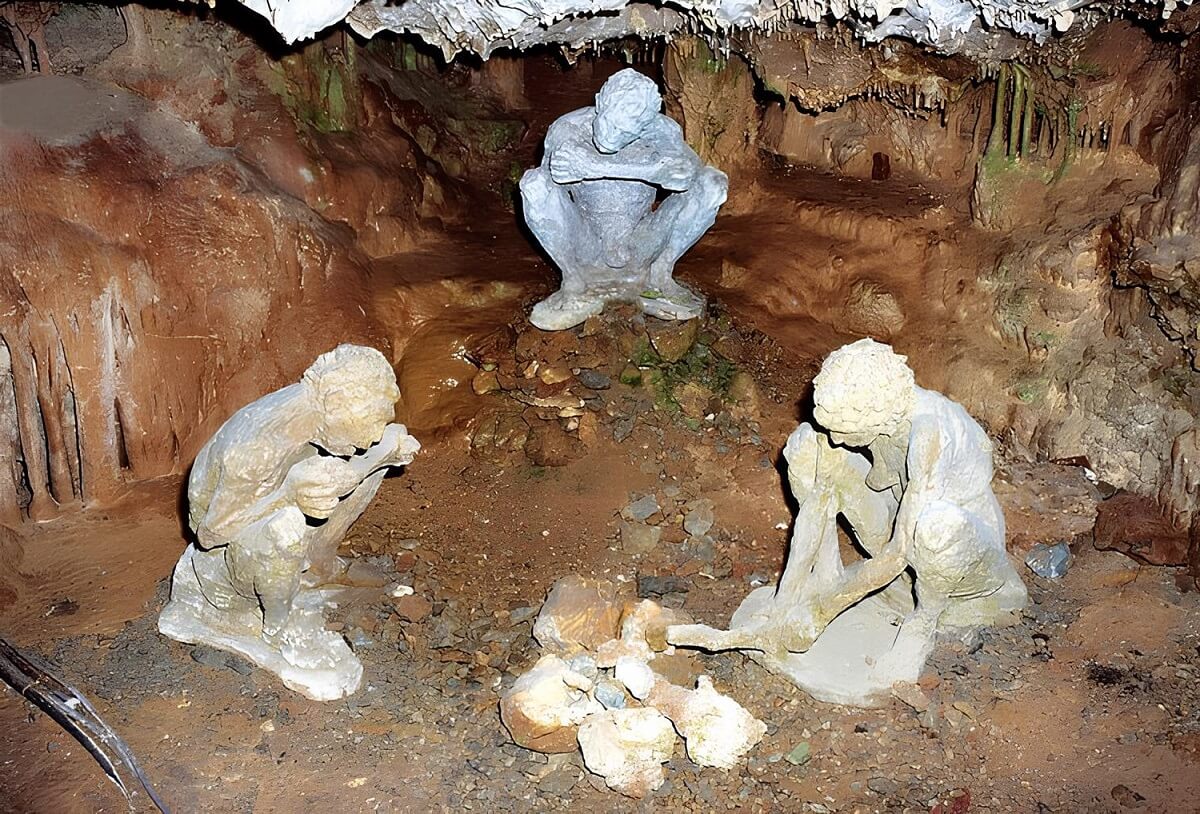
A sculptural composition in Petralona illustrating a scene from the life of early humans
- Veria — a picturesque city where districts of ancient architecture intersect with modern new developments. The city appeals to Christian pilgrims, as it is the legendary site of a sermon by the Apostle Paul, as well as to admirers of ancient architectural monuments. Among its other attractions is the opportunity to explore caves that were once home to hermits. A visit to Veria can be combined with a trip to Vergina — another ancient town.
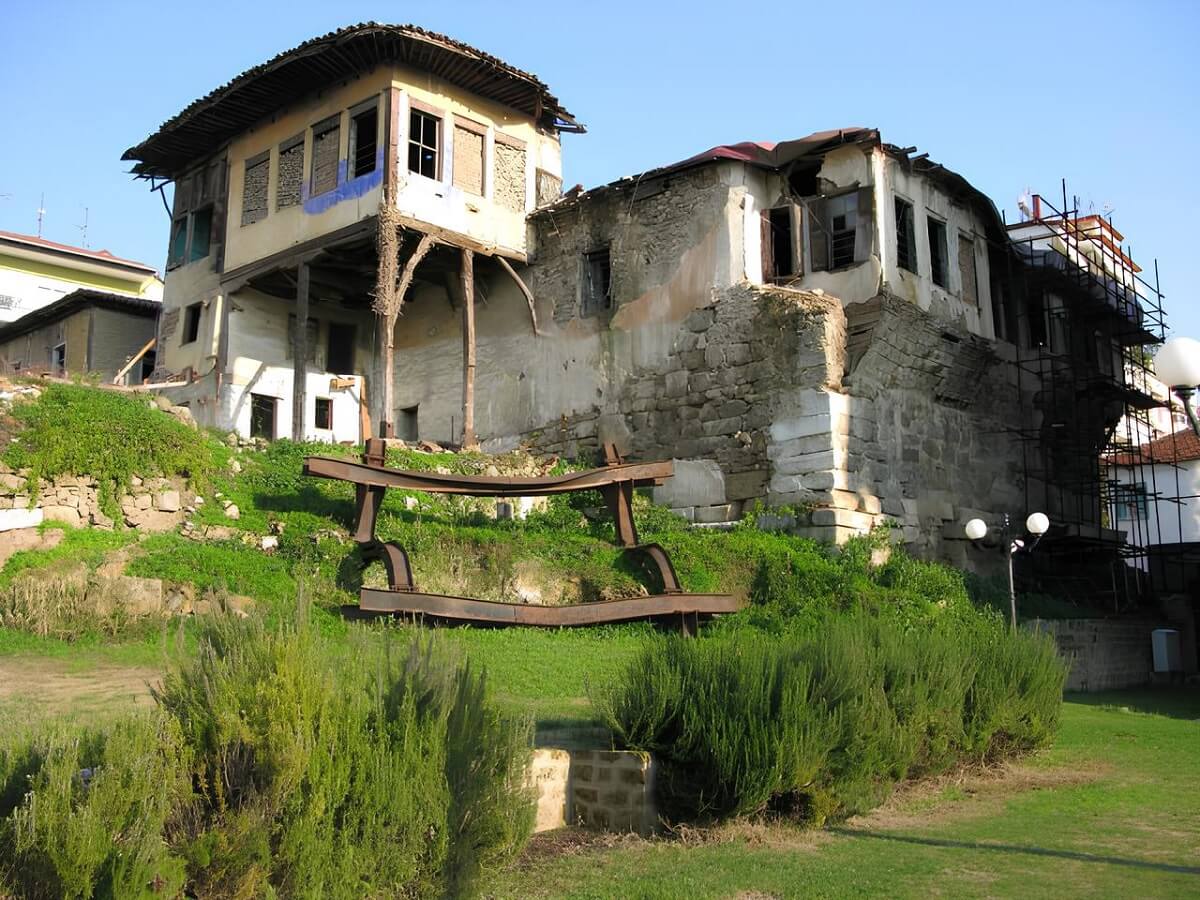
The restored buildings of Veria — with restoration work visible on other historic structures in the background
- Dion — a city that was once the capital of the Macedonian kingdom and today impresses visitors with its archaeological discoveries and the beauty of its preserved ancient monuments. Excursions to Dion and Olympus are typically combined.
Our verdict — all of these tourist destinations are accessible to visitors year-round, but there are a few things worth keeping in mind. Mount Olympus is best visited in spring or autumn, when weather conditions are most favourable. And at Meteora, the most spectacular photos can be taken at sunrise or sunset.
Tour prices from Thessaloniki in 2026
I would now like to go into more detail about excursion tour prices, so you know what costs to expect in 2026.
- Private tours (1–4 people):
- Meteora – €250–300.
Advantage: tours depart at the best time to visit this world-famous wonder.
- Mount Olympus – €200–300. Advantage: the ascent takes place at a pace comfortable for the client.
- Vergina – €180–250. Advantage: the possibility of building a personalised itinerary.
All prices are listed per person within a private group (usually 2–4 people).
2. Small group tours (5–12 people) allow you to combine several tourist routes:
- Meteora and the charming town of Kalambaka – €80–120 per person.
- Alistrati Cave, rightfully considered the most beautiful in Europe, and the artificial Lake Kerkini with its captivating scenery – €70–90 per person.
- The Naoussa wine region, celebrated for its outstanding craft wines produced here since ancient times – €65–85 per person.
Useful information:
- Meteora is rightfully considered the most popular tourist destination.
- Tour prices usually include entrance tickets to museums and a light snack.
- When planning a tour, note that prices are 20–30% higher during the peak season (June to September).
Tours to Meteora
Meteora is a jewel of Greece, included on the UNESCO World Heritage List. It is a place that everyone planning a trip to this hospitable country simply must visit. From Thessaloniki, excursions to Meteora are organised in a variety of formats:
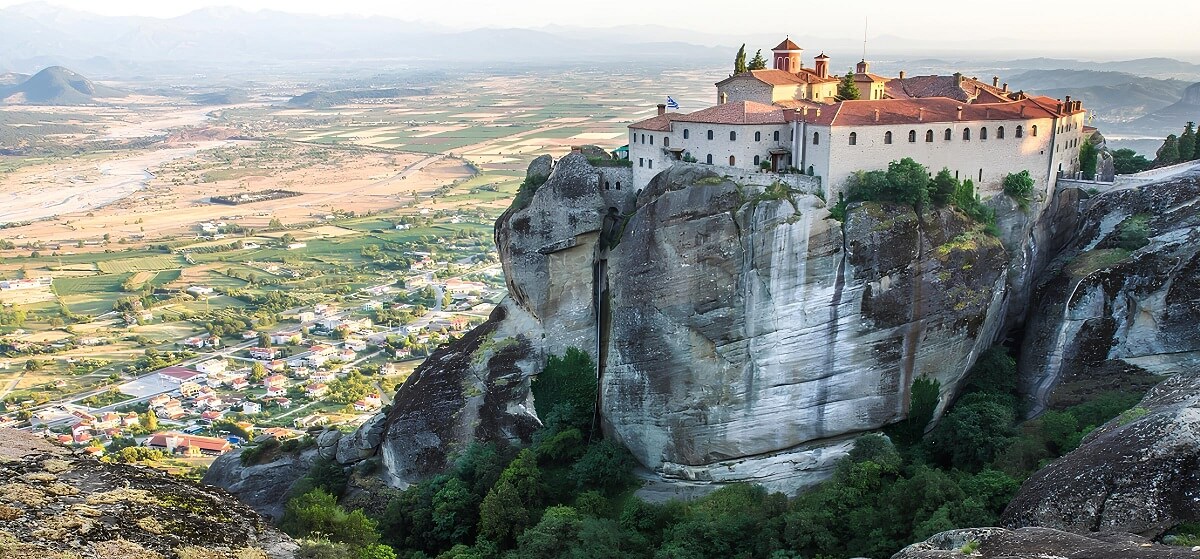
View of Saint Stephen’s Monastery
- Private tours (1–4 people) — a tour in a comfortable vehicle accompanied by a professional guide. Gives you the freedom to set your own amount of time for exploring each site of interest (duration 10–12 hours, cost €250–350 per group. Entrance tickets to the monasteries are included. Departure at 6:00–7:00 a.m.).
- Small group tours (5–12 people) — a trip in a modern vehicle with a guide. Includes the opportunity to enjoy local delicacies at a charming taverna in the town of Kalambaka (duration: 11–12 hours, cost: €80–120 per person. Entrance tickets to the monasteries and lunch are included. Departure at 7:00–8:00 a.m.).
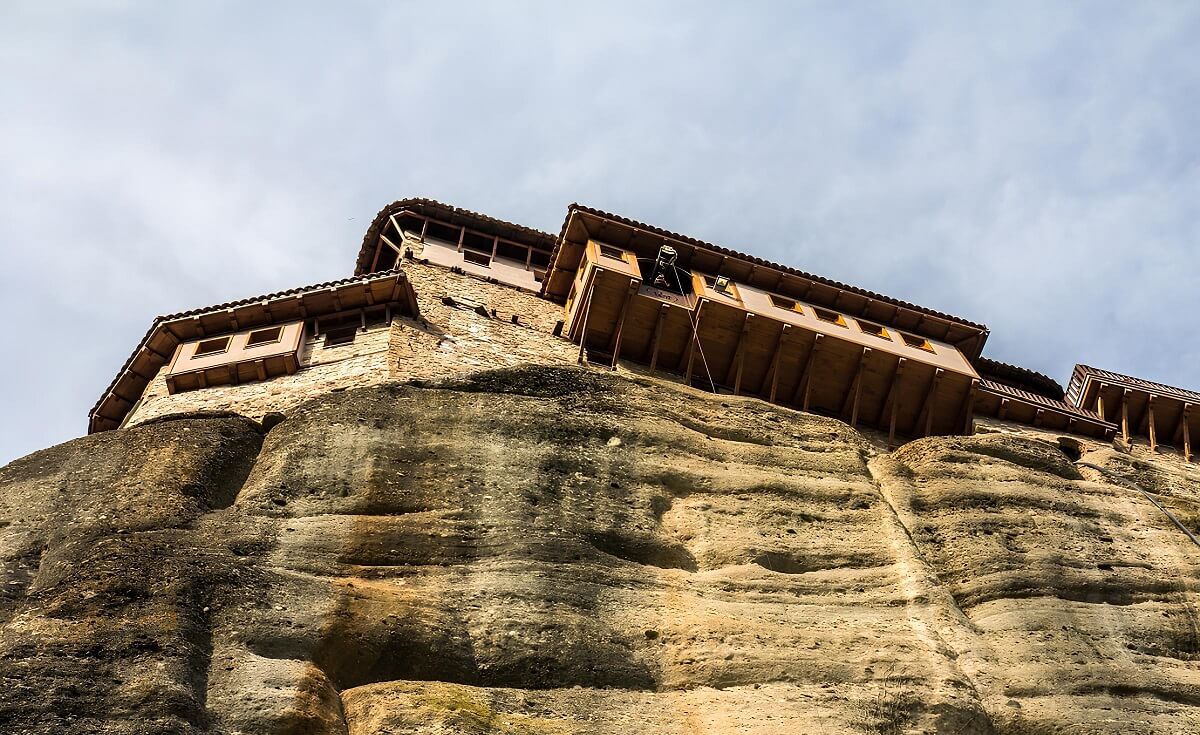
Meteora, Saint Barbara’s Monastery
Standard group tours (15–45 people) — travel by comfortable coach on a fixed schedule and set route (duration – 12–13 hours, cost – €45–65 per person. Entrance tickets to the monasteries are included. Departure at 8:00–8:30 a.m.).
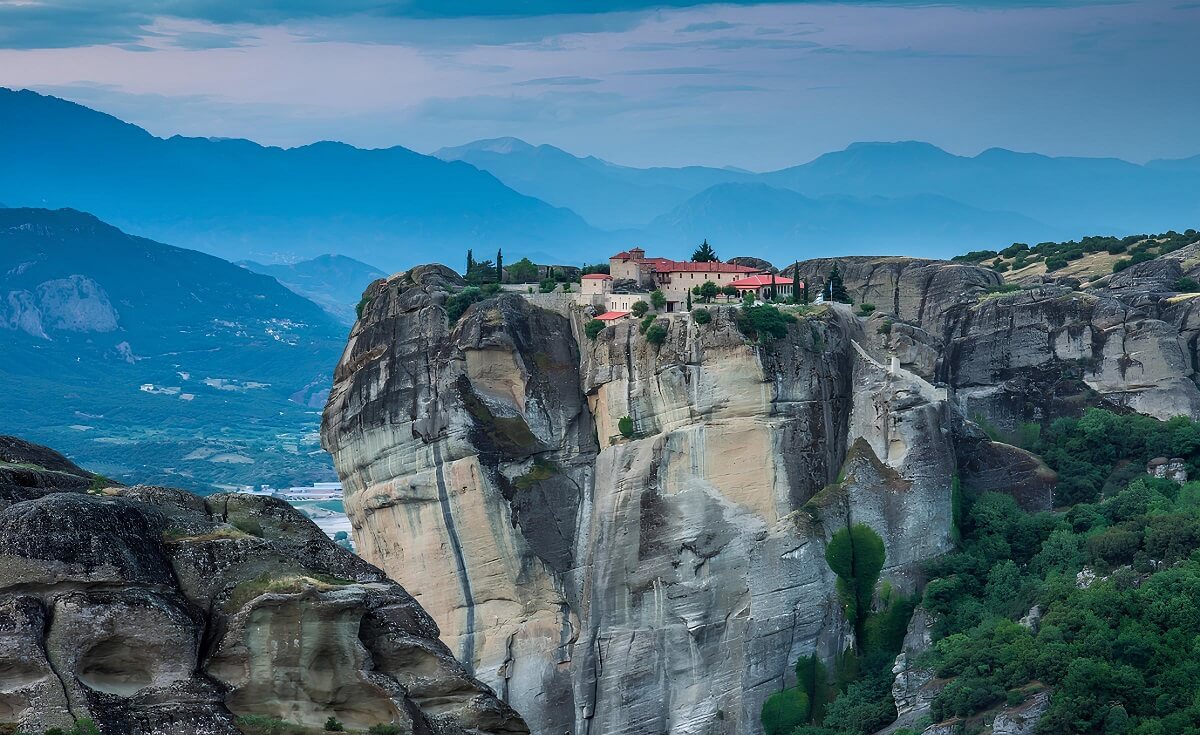
A view from a distance of the Holy Trinity Monastery
Here are some tried-and-tested tours that I personally recommend:
- Thessaloniki: full-day bus trip to Meteora — the chance to spend a day soaking up the atmosphere of this iconic site, visit 2 of the 6 active monasteries, and enjoy a traditional Greek lunch. Included: transfer by comfortable coach, insurance. Duration: 11 hours. Price: €66 per person.
- From Thessaloniki: train trip to Meteora and monastery tour — a journey by train along the legendary Mount Olympus, visiting all 6 active monasteries. Included: return train ticket Thessaloniki–Kalambaka, guide services, photo stop at Meteora, transfer to the railway station, bottle of water. Duration: 14 hours. Price: €95 per person.
- From Thessaloniki: small group day trip to Meteora — an excursion group of up to 6 people travelling in comfort. Included: transport in a modern vehicle, guide services, insurance. Duration: 10 hours. Price: €140 per person.
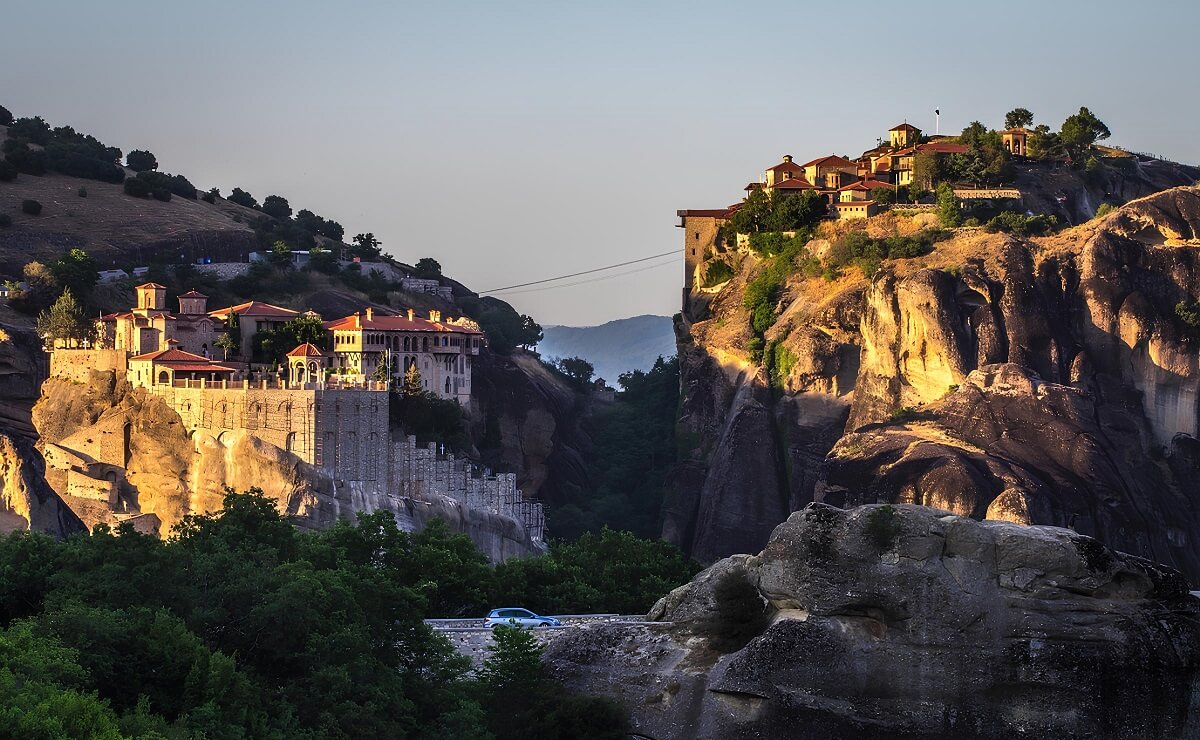
This shot captures two monasteries at once — Saint Barlaam and the Transfiguration of the Saviour
Our verdict — the range of tours to Meteora has something to suit every taste. It is important to know that the monasteries have strict dress codes: men are only permitted entry in long trousers, while women must wear long dresses with sleeves. Be sure to wear comfortable shoes and bring plenty of water.
Our opinion: when is it worth booking a guided tour to Meteora from Thessaloniki, and when is it better to go independently?
Despite the wide range of options from tour operators and varying price points, the desire to plan a trip independently arises from time to time. This gives you the freedom to manage your time, choose the most appealing sites to visit, and allow yourself more time to wander through the historic parts of famous towns.
If you are considering this approach, it is worth paying attention to the costs.
The most convenient option for independent travel around Greece is the inter-regional KTEL bus network. The Thessaloniki–Kalambaka bus runs 2–3 times a day (ticket price: €25 one way, journey time: approximately 3 hours).
You will also need to add the cost of a taxi from Kalambaka to the monasteries — approximately €15. Entrance tickets cost €3 each. Lunch will come to around €15.
In total, you are looking at roughly €100 per person. This is more expensive than some guided tours. This format is worth considering if you plan to stay in the village for more than one day and want to explore the surroundings at a leisurely pace. You will also need a good command of English to get by.
For those who prefer organised travel, the best option is to choose a ready-made guided tour from those described above.
Mount Olympus with a visit to the ancient city of Dion
Olympus is the symbol of Greece, steeped in mythological legend. The national park impresses with its towering mountains and extraordinary scenic panoramas. Near Olympus lies the ancient historical city of Dion, rich in archaeological monuments. This destination is very popular among visitors, and local agencies offer a range of different routes.
- Private tour (1–4 people) — offers a flexible itinerary and ascent of the mountain at a comfortable pace (duration: 10–12 hours, cost: €280–380 per group. Transport, guide services and entrance tickets to the archaeological park are included).
- Small group tour (5–12 people) — offers exploration of the historical monuments of Dion, a hike to the Prionia mountain refuge and the chance to have lunch at an authentic taverna (duration: 11–12 hours, cost: €90–130 per person. Transport, guide services, entrance tickets to the archaeological park and lunch are included).
- Standard group tour (15–45 people) — a typical excursion route with clearly defined time slots for exploring each location (duration: 12 hours, cost: €55–75 per person. Transport, guide services and entrance tickets to the archaeological park are included).
- Trekking tour to Olympus (up to 8 people) — a specialist tour for active mountain climbers. Appropriate footwear and clothing are required (cost: €120–160 per person. A professional mountaineer’s escort is included).
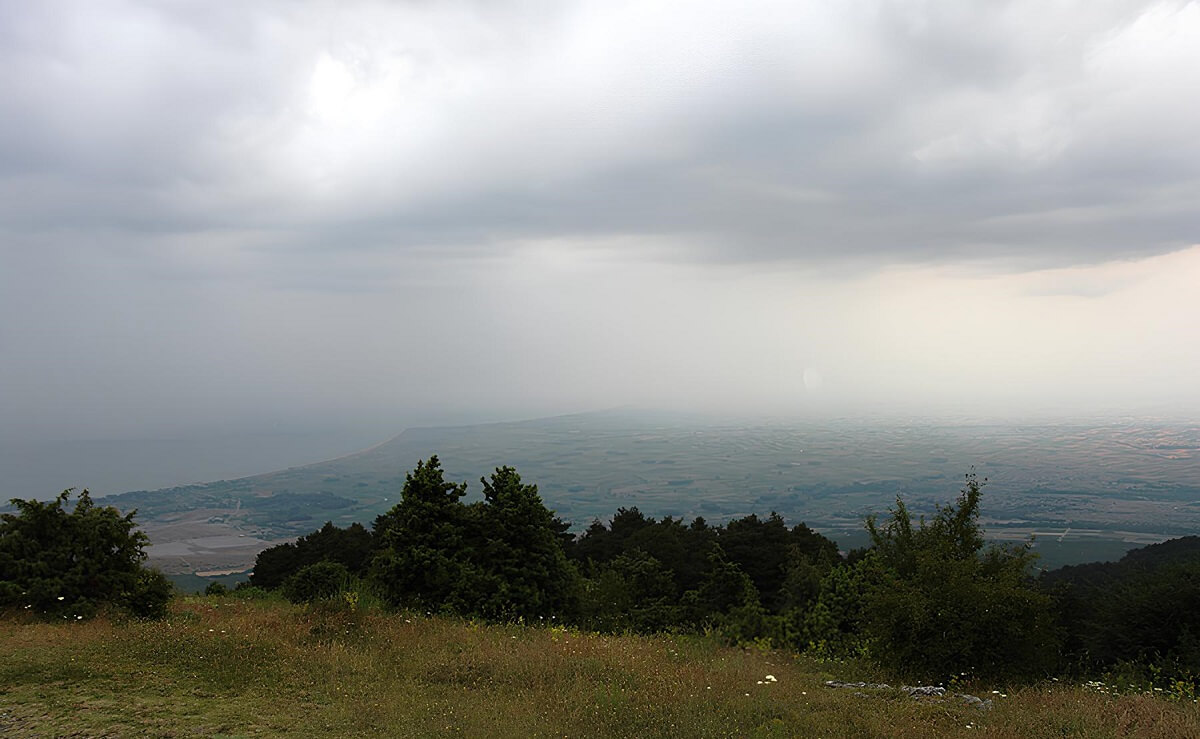
View from the Olympus observation deck of the Macedonian plain and the Aegean Sea on a rainy day
Here are the tours that caught our attention:
- From Thessaloniki: one-day trip to Dion and Mount Olympus — an incredible opportunity to explore the historical monuments of Dion, conquer Mount Olympus and take a dip in the crystal-clear pool of the Agia Cor waterfall. Included: transfer by comfortable coach, insurance, guide services. Duration: 10 hours. Price: €58 per person.
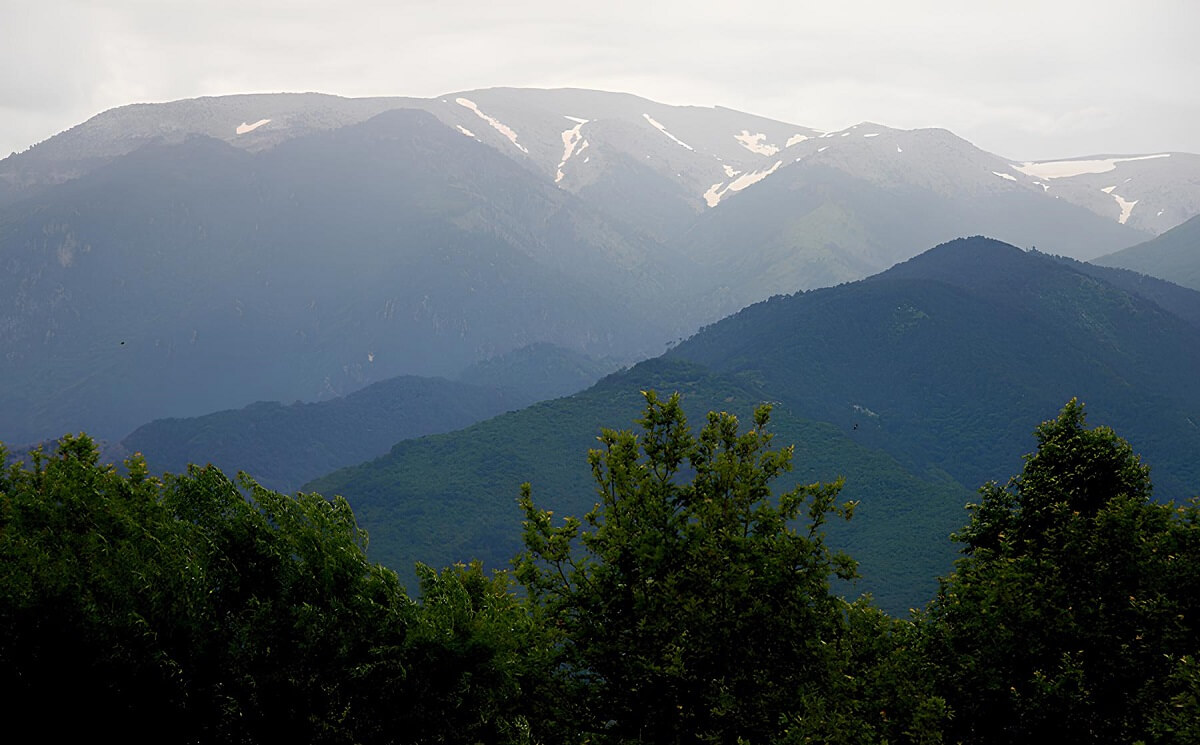
National Park View of the mountains of Olympus National Park
- From Thessaloniki: one-day trip to Dion, Litochoro and Mount Olympus — a day trip to the historic city of Dion, a visit to the traditional village of Litochoro and an exciting walk through the Enipeas Gorge. Included: transfer by comfortable coach, insurance, guide services. Duration: 8.5 hours. Price: €60 per person (€55 in the off-season).
- Thessaloniki: private one-day trip to Mount Olympus and ancient Dion — a packed private tour programme including a visit to the Dion Archaeological Park, a tour of the famous Monastery of Saint Dionysius, a walk through the Enipeas Gorge and views of stunning waterfalls. Included: transfer by comfortable coach, insurance. Duration: 7 hours. Price: €360 in season and €180 per person in the off-season.
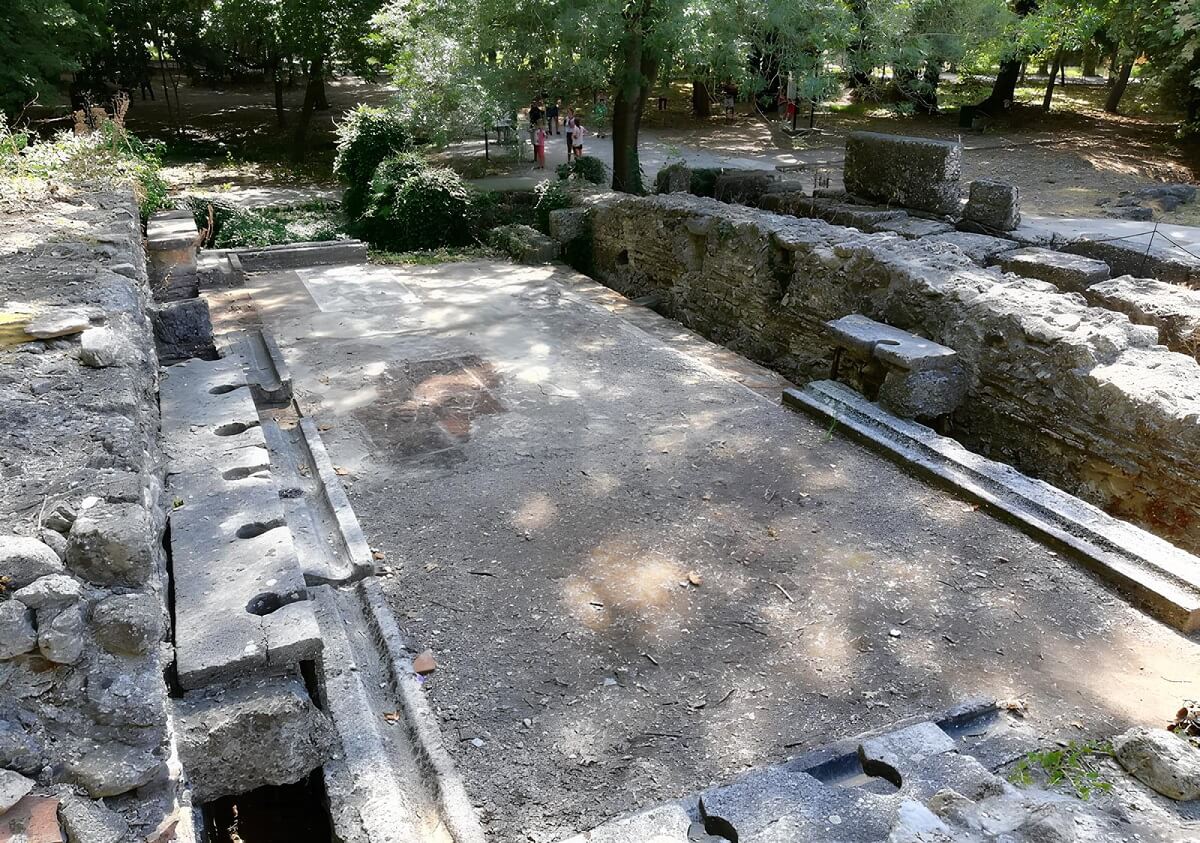
The Sanctuary of Demeter in Dion — or what remains of it
- Myth and history. Full-day tour from Thessaloniki — a comprehensive excursion exploring the architectural monuments of Dion. Included: transfer by comfortable coach. Duration: 5 hours. Price: €65 per person.
- Myth and history. Mount Olympus and the ancient city of Dion — the opportunity to visit the ancient city of Dion, stroll through the settlement of Paleos Panteleimon (free time for lunch and shopping), climb to an observation deck with views of Olympus and, if desired, descend into the gorge to the Enipeas River. Included: transfer by comfortable coach, insurance, guide services. Duration: 9 hours. Price: €65 per person in season and €55 in the off-season.
The 10 main sights of Dion
Dion is an ancient Greek city situated at the foot of Mount Olympus, famous for its remarkable historical monuments. It is no wonder that hundreds of tourists visit this place every year. And there is truly plenty to see in Dion during an excursion:
- The Temple of Zeus in Dion — the remains of the temple were uncovered during archaeological excavations. Among the preserved finds are the temple’s foundations, massive columns, a sacrificial altar, a statue of Zeus on his throne and 14 marble guardian eagles surrounding it (now kept in the Dion Museum), as well as ancient figurines and jewellery. In ancient times, the Olympic Games were held here and important state ceremonies took place.
- The Sanctuary of Demeter — the oldest architectural monument in Dion and at the same time the best-preserved among the temple complexes. The temple was built in honour of the ancient Greek goddess of fertility and patroness of agriculture. Most impressive are the perfectly preserved mosaic floors, which resemble carpets with floral and geometric patterns. The underground rooms are also worth seeing — in ancient times they hosted special events known as mysteries, which combined theatrical performance with religious ritual. Even women and slaves were permitted to take part. The surviving remains of the drainage system are another point of interest.
- The Roman baths — the ancient Roman equivalent of a modern spa complex. A testament to the engineering ingenuity of the time. The baths consisted of several rooms: a cool room (changing room), a warm transitional room, a hot room with temperatures up to 60°C (with a steam room) and a room with a bathing pool. The baths were not only a place to wash and steam, but also a space for socialising and discussing local news. The sophisticated underfloor heating system and water supply system have survived to this day.
- The Roman theatre — a historical monument of Dion that deserves visitors’ attention. A vivid example of the development of theatrical art in the ancient world. In the Middle Ages, the theatre was not only a venue for performances, but also a place for assemblies and important ceremonies. Its structure is identical to that of modern theatres — comprising a stage, an orchestra pit and seating for the audience. Particularly impressive is the masterfully crafted acoustic system, which allowed an actor’s voice to reach the furthest corners of the auditorium without a microphone. Some relief decorative elements of the stage have been well preserved to this day.
- The House of Dionysus — named after a mosaic depiction of the god Dionysus, patron of dance and merriment, found here. It is an elite villa from the classical period. The building impresses with its exquisite frescoes adorning the grand halls, masterfully crafted mosaic floors interlacing geometric motifs with depictions of animals and scenes from mythological legends. Noteworthy is the water supply system, which consisted of rainwater collection tanks and a network of pipes to supply water to the house.
- The Dion Archaeological Museum — offers visitors a chance to view the most valuable items discovered during excavations: exquisite marble statues, everyday objects, rare coins, luxurious jewellery, household items and ancient tools. A separate room houses a display of ritual objects from antiquity. Those with a good command of English will have no trouble reading the detailed descriptions accompanying each artefact.
- The Roman agora — the main square of ancient Dion, a place of trade and public and political gatherings. Today it is a complex covering approximately one hectare, where fragments of paved streets, the remains of ruined market stalls, and administrative and public buildings can still be found. An interesting detail is the extensive water supply system and inscriptions on stone that shed light on various events from the city’s past.
- The Sanctuary of Isis — a place where religious rites were performed and where, it was believed, the goddess herself resided — a deity held in particularly high regard in Greece. The structure consists of a main temple, a ceremonial pool and ancillary rooms. On display for visitors are cult figurines, ritual vessels and fragments of frescoes.
- The Early Christian basilicas — an entire complex of ecclesiastical buildings decorated with frescoes, expertly executed geometric ornaments and mosaic floors. Three structures have survived to this day, each representing a fine example of early Christian architecture and places of Christian burial. The grounds preserve liturgical objects, marble ritual altars and other ecclesiastical furnishings discovered during excavations.
- The city fortifications — defensive walls 8 metres high and 3 metres thick that served to protect the city. Today, visitors can view the remains of watchtowers, garrison barracks and storage buildings. Particularly worthy of attention is the powerful and sturdy gate with its complex and well-conceived defensive system.
Is it better to book a guided tour from Thessaloniki to Mount Olympus with a visit to Dion, or to go independently?
I hope my accounts of the remarkable ancient monuments of Dion and the beauty of Olympus have inspired you to visit these places. And if so, I think it would be helpful to offer some recommendations for planning an independent trip. Is this approach to exploring these sights worth considering?
To reach your destination, you will need to use the KTEL bus network. From Thessaloniki, buses run 3–4 times a day to the town of Litochoro (cost: €16 per person one way, journey time: approximately 2 hours) and to the town of Dion (cost: €14 per person one way, journey time: approximately 1.5 hours).
To reach the starting point of the excursion routes, you will need to take a taxi — from Litochoro to the trekking route, this costs around €15; from Litochoro to Dion, around €25. Entrance tickets to the Dion Archaeological Park cost €8 per person, and meals should be budgeted at around €15 per person. In total, you can expect to spend up to €90.
This travel format is ideally suited to experienced travellers who wish to explore Olympus and its surroundings at their own pace, have a good command of English and are confident navigating independently.
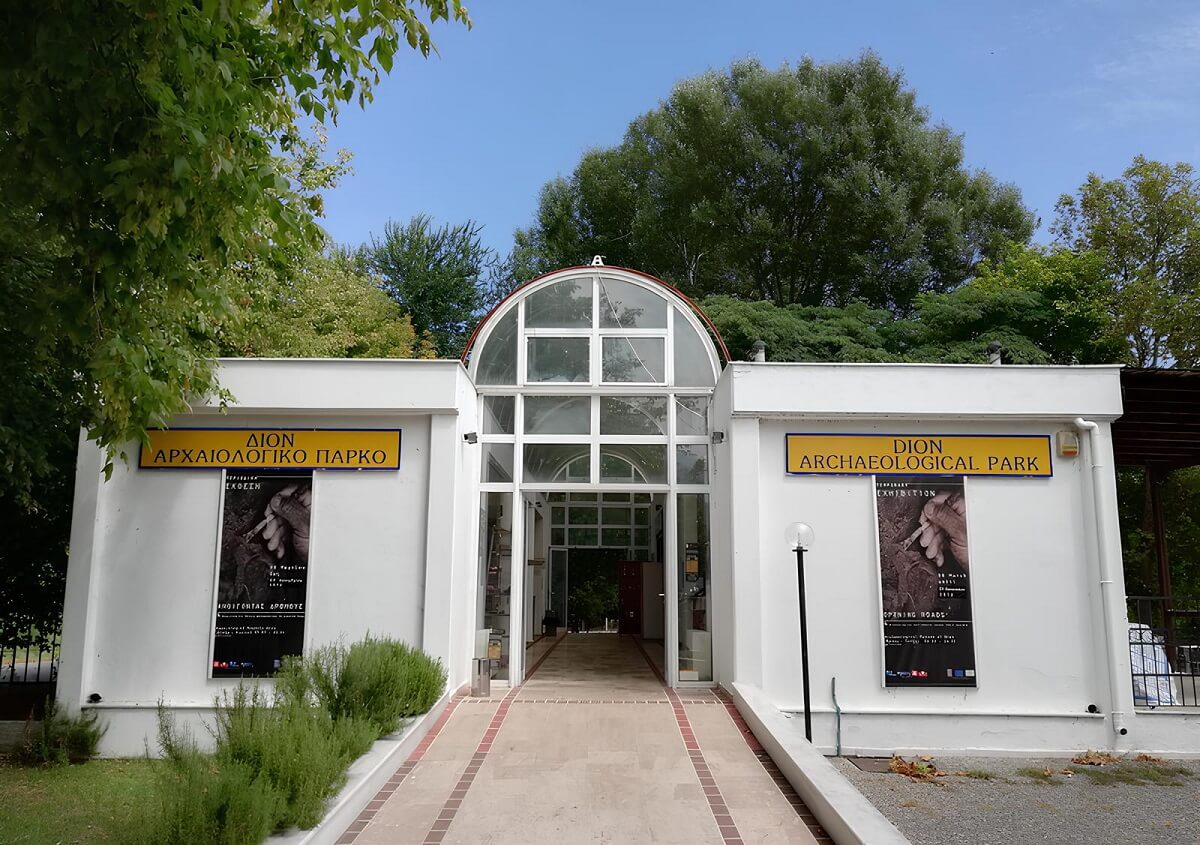
The entrance to the archaeological park in the city of Dion
In other cases, it is more practical to opt for a guided excursion tour with professional guides. In my view, the best options are: a private tour (budget permitting), or a standard group tour.
Here is one interesting offer that I particularly like:
- From Thessaloniki: half-day canyoning trip to Mount Olympus — the chance to reach the mountain peak and descend safely using climbing equipment under the guidance of professional instructors, plus the opportunity to enjoy a swim and cliff jumps in the river pool near the waterfalls. Included: transfer by comfortable coach, full canyoning equipment including footwear, escort by a certified instructor. Duration: 6 hours. Price: €85 per person (minimum 2 participants).
Tours to Vergina and Veria from Thessaloniki
Vergina is an ancient Greek city where archaeological excavations uncovered richly decorated royal tombs — those of the Macedonian King Philip II and of Alexander IV, son of Alexander the Great. The local museum houses truly unique artefacts and jewellery with no equivalent anywhere else in the world.
Another city where you can immerse yourself in a deep historical past is Veria. It was here that the Apostle Paul preached, and pilgrims from all over the world seek to visit the site of his ministry. Veria also impresses with its architectural monuments and ancient Byzantine churches.
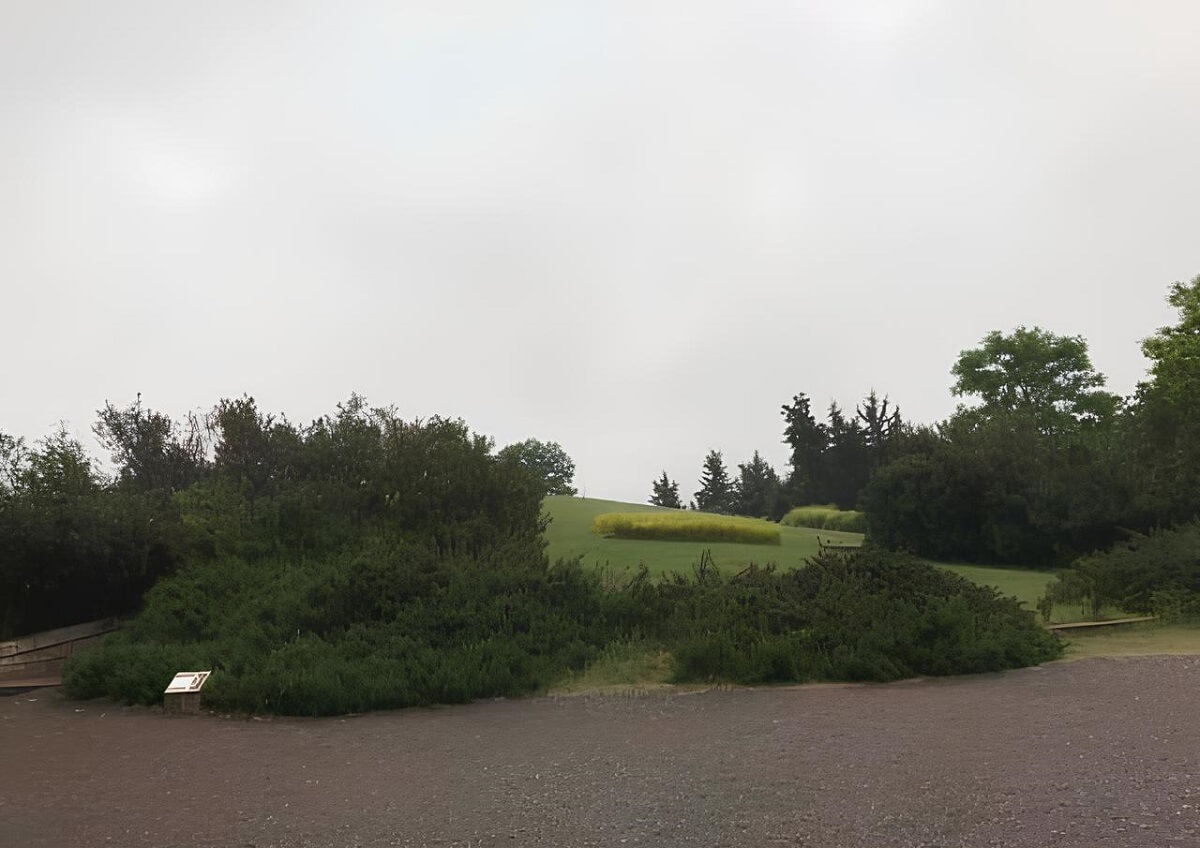
The archaeological museum in Vergina
Excursion tours in these directions are organised from Thessaloniki. We have analysed them and compiled a comparative overview.
Additional costs should also be taken into account — entrance ticket to the Vergina Museum (€12 per person), lunch (€15–20 per person) and personal expenses.
Our verdict — first-time visitors to Greece should consider the Vergina + Veria combined tour, as it offers the chance to explore two outstanding tourist destinations in a single trip.
In addition, here are some interesting itinerary options worth considering:
- From Thessaloniki: “Macedonian treasures” — Veria–Vergina — the opportunity to visit the royal tombs and explore a city of religious pilgrimage. Included: transfer by comfortable coach, insurance, guide services. Duration: 7 hours. Price: €55 per person.
- From Thessaloniki: half-day tour to Vergina and Veria — an archaeological tour that includes a visit to the museum and free time to wander the charming streets of Vergina. Included: transfer by comfortable coach, insurance, guide services. Duration: 6 hours. Price: €60 per person in season.
- Thessaloniki: full-day trip to Vergina and Pella — a journey to ancient cities with museum visits in Pella and Vergina, with the opportunity to enjoy national cuisine at an authentic Greek restaurant. Included: transfer by comfortable coach, insurance. Duration: 8.5 hours. Price: €58 per person.
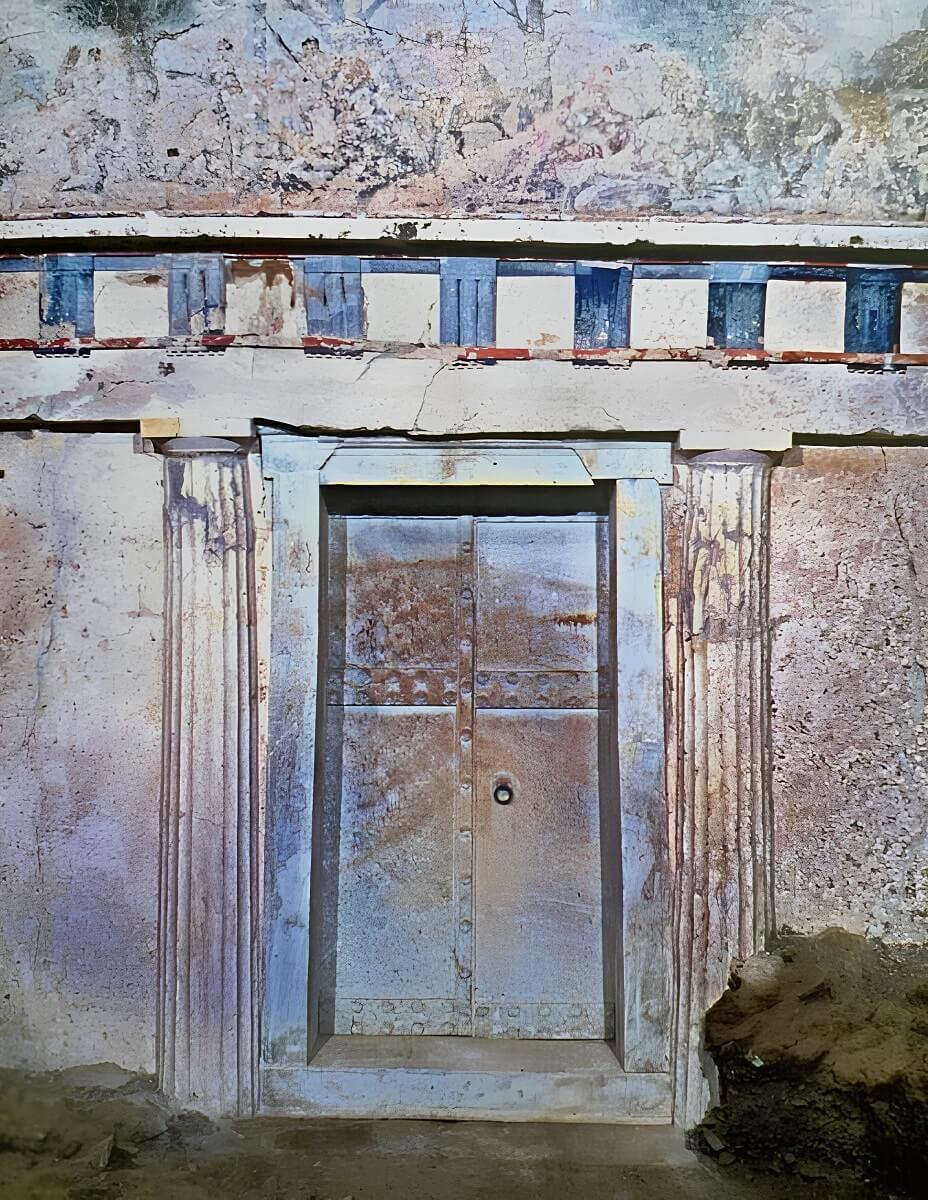
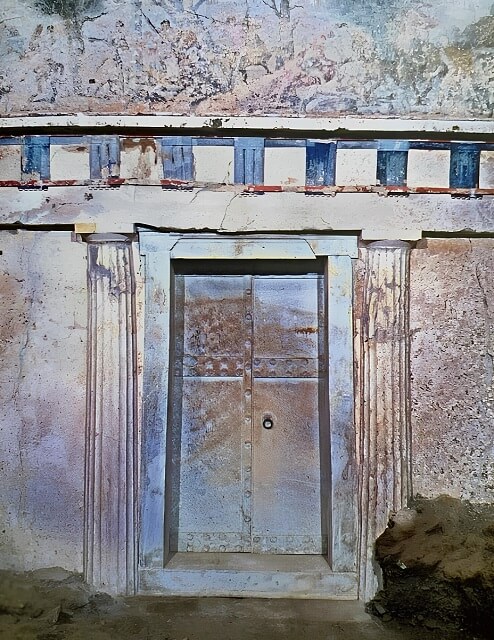
The facade of the tomb of Macedonian King Philip II
Our opinion: when is it worth booking guided tours to Vergina and Veria from Thessaloniki, and when is it better to go independently?
Let us weigh the pros and cons of organising an independent trip to Vergina and Veria from Thessaloniki.
From a financial perspective, travelling independently can save you up to 50% of the cost of a standard guided tour. However, there are a few pitfalls to be aware of.
- Firstly, you will need a good command of either English or Greek.
- Secondly, you need experience planning independent trips.
- Thirdly, you should not be put off by the potential inconveniences of making your own way from one location to another.
If none of this is a problem, let us calculate the essential costs:
- Bus ticket on the Thessaloniki–Vergina route: €8 per person
- Bus ticket on the Thessaloniki–Veria route: €6 per person (buses run hourly)
- Entrance ticket in Vergina: €12 per person
- Cost of internal transfers between locations
- Cost of meals
In total, you are looking at around €50.
If independent travel is not your preference, it is better to opt for a group or private tour from those described in the previous section.
The best months to visit Veria and Vergina are April–May and September–October. At these times, the temperature is pleasant and there are noticeably fewer tourists.
Culinary and wine tours available from Thessaloniki
Tasting and wine tours for food lovers are also organised from Thessaloniki. This region has long been celebrated for its magnificent vineyards and distinctive wines. The most popular options include:
- Full-day tours to Naoussa. Naoussa is one of the most picturesque cities in Greece. Here you can wander its maze-like narrow streets, sample craft wines produced from the local Xinomavro grape variety at local wineries, and have lunch by the water at a café serving national cuisine.
- Tours along the Chalkidiki coast. Features stunning scenic views, visits to modern wineries with tastings of local white wine varieties. Stops offer the chance to enjoy seafood delicacies at waterfront restaurants and sample the famous national spirit Tsipouro (grape brandy).
- Tours to Mount Olympus — an excursion to small settlements on Olympus, with an introduction to traditional winemaking, tastings of organic wines and the chance to savour traditional dishes of game, mushrooms and cheeses prepared by local cooks.
As a rule, these tours last an average of 6–8 hours and take place in groups of approximately 8–12 people. The price includes transport, a professional guide, wine tasting and lunch.
Here are some of the most interesting tasting tour options we have selected:
- From Thessaloniki: wine tasting in Pella, Edessa and Naoussa — the chance to visit the archaeological museum in the ancient city of Pella and admire its extraordinary mosaic floors, stroll through the historic sites of Edessa, take in the Karanos Waterfall and taste wines at a local winery in Naoussa. Included: transfer, guide services, wine tasting. Duration: 9 hours. Price: €65 per person.
- Thessaloniki: gastronomic tour of the open market with tastings — an incredible opportunity to visit Greek food markets, experience the local colour, sample traditional local dishes and enjoy artisan cheeses. Included: transfer, guide services, coffee and food tasting. Duration: 3 hours. Price: €45 per person.
- From Thessaloniki: private one-day trip to Sithonia — one of the Chalkidiki peninsulas. Tourists will have the opportunity to enjoy an unforgettable beach day at Kalogiria Beach and, if they wish, go diving, as well as visit the lush vineyards in the village of Parthenonas and taste local wines. Included: transfer, insurance, bottle of water. Duration: 8 hours. Price: €190 per person in the off-season and €380 in season.
Active holidays: safari tours in off-road vehicles
For those who cannot imagine life without active outdoor adventures with a touch of adrenaline, an exciting journey by off-road vehicle along interesting routes makes an excellent choice. Safari tours are offered by travel agencies in a variety of directions:
- Southern tours to Mount Olympus — the route runs through mountain village streets and forest tracks. This involves an ascent to approximately 2,000 m with a stop for lunch at a local taverna (cost: from €80 per person, duration: 6–7 hours. Lunch is included in the price).
- Tours to Lake Kerkini — ideal for nature lovers. Offers tourists the chance to observe local wildlife — buffalo and birds. The tour programme also includes a visit to an authentic fishing village and a boat trip (cost: from €95 per person, duration: 8 hours).
- Expeditions to the Chalkidiki Peninsula — a visit to the scenic peninsula with swimming in bays of remarkably clear water and a journey across sand dunes (cost: from €65 per person, duration: 5 hours).
All of the above tours include hotel transfer, a professional guide’s services, insurance and drinks. One important thing to note — tours should be booked in advance, especially during the peak season (May–September).
Operator offers that may interest you:
- Buggy Safari “Discover Olympus” by Classic Buggy Rentals — includes a visit to the Mitsiani Car Museum, a conquest of Mount Olympus, views of a powerful waterfall, a monastery visit and the chance to relax on the beach. Included: transfer by comfortable transport, insurance, guide services, museum tickets. Duration: 7 hours. Price: €75 per person (minimum 2 people).
- Jeep Safari “Discover Olympus” from Thessaloniki — includes a visit to the car museum, an exhilarating jeep ride to the summit of Mount Olympus, views of a breathtakingly beautiful waterfall, swimming and relaxation at Rocky Beach. Included: transfer by comfortable transport, insurance, guide services, museum tickets. Duration: 7 hours. Price: €99 per person (minimum 4 people).